
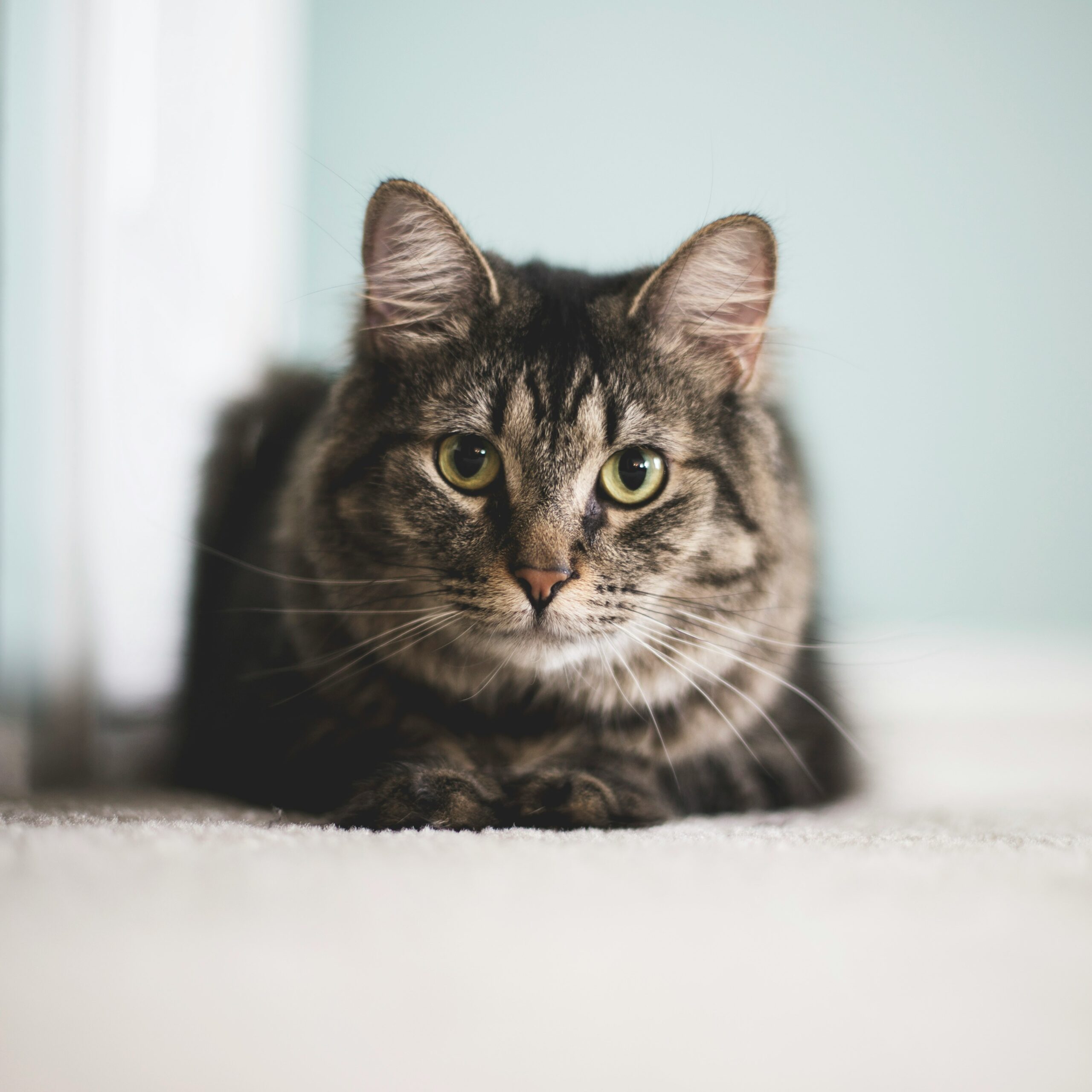
Why You Should Keep Your Cat Indoors
Cats are curious, intelligent, and adventurous animals. It is easy to watch a cat gazing out a window and wonder whether it would be happier exploring the world outside. However, there are many compelling reasons for cat owners to keep their cats indoors. An indoor lifestyle can help protect cats from injury, disease, getting lost, and other dangers while giving them the opportunity to live longer, healthier lives.
Indoor Cats Are Safer
Cats allowed to roam outdoors face risks that simply do not exist inside the home. Cars are one of the most significant dangers, but outdoor cats can also encounter loose dogs, predators, toxic substances, extreme weather, and people who may harm them. Even cats that have lived in the same neighborhood for years can be injured or killed in an instant. A quiet residential street can become dangerous when a cat crosses the road or wanders into a driveway. Keeping cats indoors eliminates many of these risks and gives them a safe, controlled environment in which to live.
Indoor Cats Have Longer Lives
One of the most compelling reasons to keep cats indoors is their potential for a longer life. Indoor cats commonly live 13–17 years, and many reach their late teens or even their twenties. Cats that roam outdoors face substantially greater risks of premature death from vehicle accidents, injuries, infectious diseases, poisoning, predators, and other hazards. Cats living exclusively outdoors have a significantly shorter lifespan than indoor-only cats, often living an average of only 4-5 years.
Indoor Cats Have Less Exposure to Disease and Parasites
Outdoor cats have more opportunities to encounter infectious diseases and parasites. Contact with other cats, wildlife, contaminated environments, and shared food or water sources can increase exposure to illnesses such as feline leukemia virus (FeLV) and feline immunodeficiency virus (FIV). Outdoor cats are also more likely to encounter fleas, ticks, intestinal parasites, and other organisms that can cause illness. Some parasites and diseases can also affect people and other animals in the household.
Indoor living does not eliminate every health risk, but it can substantially reduce a cat’s exposure to many of these hazards.
Indoor Cats Protect Wildlife
Cats are natural predators, and hunting is part of their instinctive behavior. Even a well-fed cat may chase and kill birds, small mammals, reptiles, and insects. Free-roaming cats can have a significant impact on local wildlife, particularly birds and small native animals. Keeping cats indoors allows them to satisfy their natural behaviors through play while reducing their impact on wildlife.
Interactive toys, feather wands, climbing structures, puzzle feeders, and window perches can provide safe ways for indoor cats to stalk, chase, climb, and explore.
Keeping Cats Indoors Gives Them a Safer Future
Keeping a cat indoors is not about limiting a cat’s life. It is about protecting that life. Indoor cats are protected from many of the dangers that can cause serious injury, illness, or premature death. They are also less likely to become lost or disappear, and they can enjoy a stimulating environment designed specifically around their needs.
For cat owners who want their companions to have the best opportunity for a long and healthy life, providing a safe indoor home—with plenty of enrichment, play, exercise, and affection—is an important part of responsible cat guardianship.